
FORGAX · DRAWING-BASED SHEET PARTS
Custom Sheet Metal Fabrication for OEM Parts
Bring panels, brackets and covers into one fabrication review. We assess how cutting, forming, joining and finishing affect the finished sheet metal part and its mating interfaces.
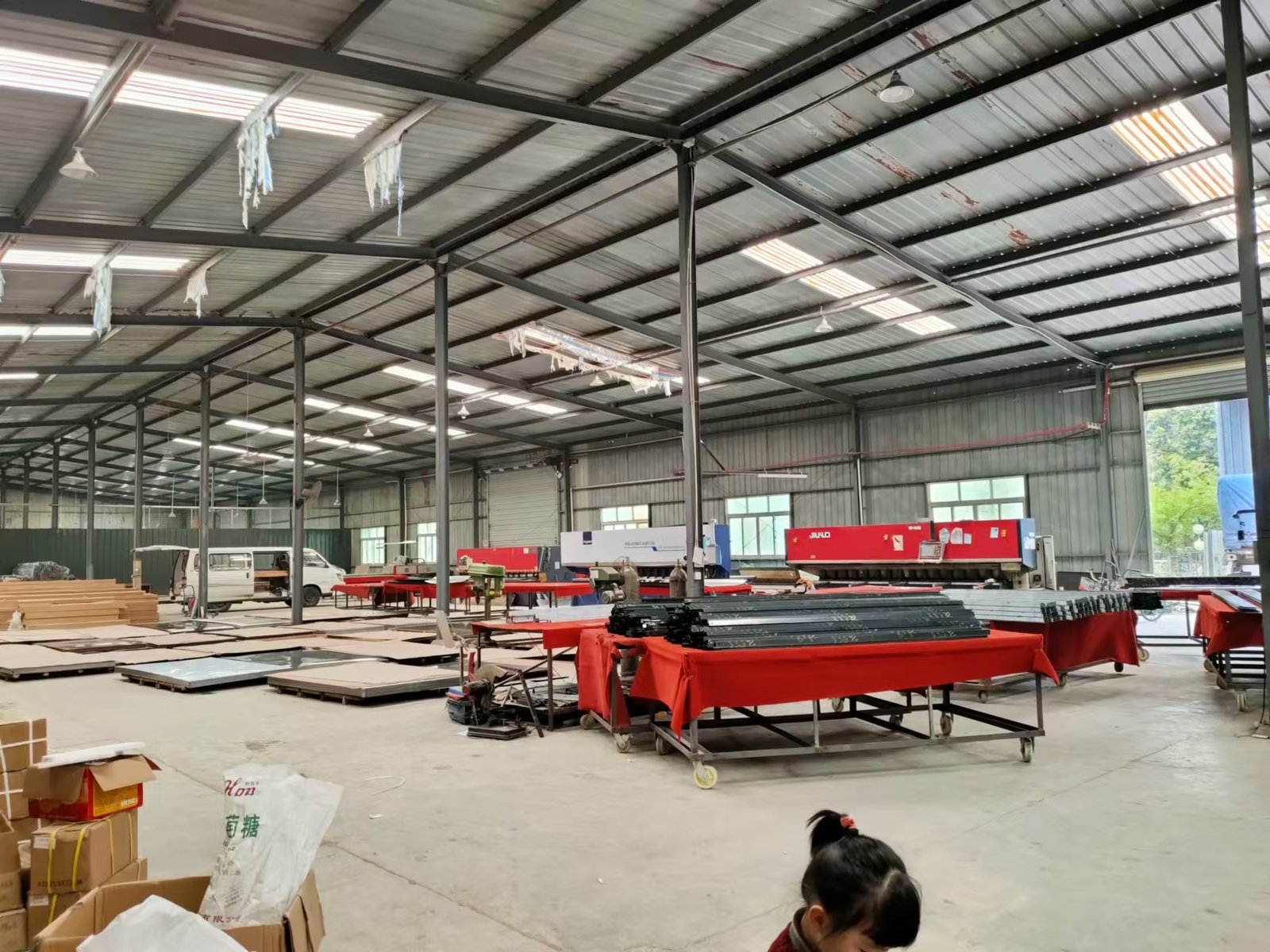
Parts made from sheet, planned around assembly
Use this service when the drawing describes a sheet component or a group of sheet parts that must fit together.
- Equipment panels and protective covers
- Formed brackets and mounting plates
- Welded sheet assemblies with defined interfaces
Typical sheet metal parts
Part function guides the features that need the closest review.
- Panels: visible faces, edges and fixing holes
- Brackets: mating faces, bend direction and fastening clearance
- Covers: access, overlap and assembly gaps
Plan the sheet metal route
A cut blank is only one stage of a formed or welded component.
- Coordinate cut features with later bends
- Review welding and dressing before finishing
- Define which parts arrive assembled
Material and thickness review
The specified sheet must support the intended geometry and finish.
- State grade and thickness on the drawing
- Flag stiffness, weight and exposure needs
- Identify substitutions that require buyer approval
Bend and weld design checklist
Review the details that can interfere with forming, joining and fit.
- Hole positions near bends and welds
- Corner relief and tool access
- Weld locations, visible seams and finishing access
Review material and surface together
Material families are discussion references; grade, thickness and finish compatibility need drawing review.
- Stainless steel for visible or corrosion-sensitive parts
- Aluminum where weight and forming matter
- Carbon or galvanized steel with a reviewed protective finish
From part drawing to fabrication scope
- Read the part requirements
- Provide the drawing revision, quantity, mating details and critical dimensions.
- Coordinate the route
- Review cutting, bends, welds and finish access before agreeing the quotation scope.
- Agree inspection and assembly
- Identify acceptance points, surface references and any assembly or packing requirements.
Clarify before quotation
- Mark critical fit dimensions and drawing revision.
- Distinguish appearance faces from concealed faces.
- Provide assembly drawings for parts that mate together.
Specific tolerances, material thickness ranges and manufacturing feasibility are confirmed during quotation based on the customer drawing, material and process requirements.
Buyer Enquiry Markets
We welcome drawing-based buyer enquiries from these markets:
- Australia
- United Kingdom
- Canada
- United States
- United Arab Emirates
- Saudi Arabia
- Germany
Project feasibility and any destination-specific requirements are reviewed and confirmed during quotation.
Related Manufacturing Services
Frequently Asked Questions
What should I send for a sheet metal quotation?
Send part drawings, quantity, material and finish requirements. An assembly drawing helps identify mating faces and critical fits.
Can cutting, bending and welding be reviewed together?
Yes. Show the finished part and joining details so the proposed route and supply scope can be reviewed together during quotation.
How are surface requirements agreed?
Identify visible faces, grain direction and a finish reference. The review considers how forming and welding affect those surfaces.