
FORGAX · CUT PROFILES AND BLANKS
Fiber Laser Cutting Services for Custom Metal Parts
Submit the finished profile and explain what happens after cutting. We review contours, internal features, edge needs and the relationship between the cut blank and subsequent fabrication.
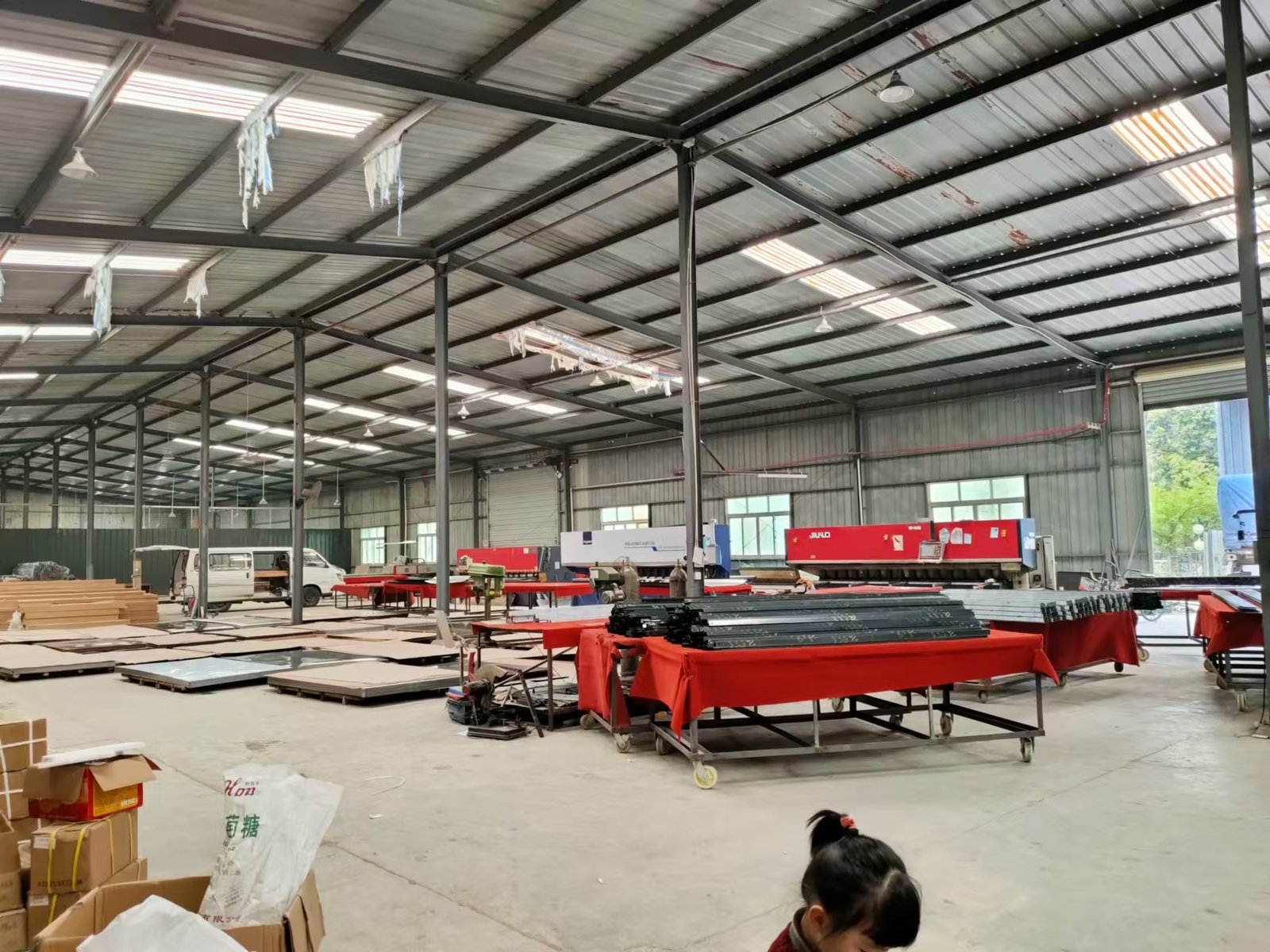
Start with the cut-part requirement
Suitable inquiries define a sheet profile and its role in the next operation.
- Flat profiles and mounting plates
- Parts with holes, slots and internal contours
- Blanks intended for bending, welding or assembly
Drawing inputs for profile review
A clean cutting file needs a matching definition of the finished part.
- Identify units, revision and part number
- Separate cut geometry from notes and duplicate lines
- Include a dimensioned drawing for critical features
Holes, slots, contours and edges
Feature feasibility depends on the material and surrounding geometry.
- Flag small holes, narrow webs and close contours
- Define edge quality and deburring needs
- Identify grain direction and protected surfaces for nesting review
From cut blank to finished part
Plan the cut around the operations that follow.
- Coordinate bend lines and flat-pattern responsibility
- Review weld preparation and locating features
- Agree whether the quote covers blanks or finished components
Specify the sheet to be cut
Grade, thickness, surface protection and edge expectations affect the cutting review.
- Stainless steel sheet with visible-face requirements
- Aluminum sheet with alloy and temper identified
- Carbon or galvanized sheet with downstream protection reviewed
Review the profile before cutting
- Submit usable geometry
- Include DXF or DWG geometry and a dimensioned PDF identifying revision and units.
- Review features and edges
- Flag critical holes, narrow features, burr expectations and surface protection.
- Confirm the next operation
- State whether parts need deburring, forming, welding, finishing or packing by part number.
Define the cutting acceptance points
- Mark which holes are functional or need a later operation.
- State whether edges remain visible or contact other parts.
- Identify part quantities and orientation constraints.
Specific tolerances, material thickness ranges and manufacturing feasibility are confirmed during quotation based on the customer drawing, material and process requirements.
Buyer Enquiry Markets
We welcome drawing-based buyer enquiries from these markets:
- Australia
- United Kingdom
- Canada
- United States
- United Arab Emirates
- Saudi Arabia
- Germany
Project feasibility and any destination-specific requirements are reviewed and confirmed during quotation.
Related Manufacturing Services
Frequently Asked Questions
Which drawing inputs help a cutting review?
DXF or DWG geometry plus a dimensioned PDF is useful. State units, material, quantity and revision so the files can be checked against each other.
Can every hole be cut directly?
Hole feasibility is reviewed against thickness, material and geometry. Identify critical holes so any secondary operation can be discussed in the quotation.
Can the quotation include follow-on work?
Specify deburring, bending, welding or finish requirements alongside the finished-part drawing. The quoted scope will identify the operations included.