
FORGAX · FORMED SHEET COMPONENTS
CNC Sheet Metal Bending Services
Review the formed part before releasing the flat blank. Bend geometry, access and sequence are considered together so quotation discussions address the shape that must fit the assembly.
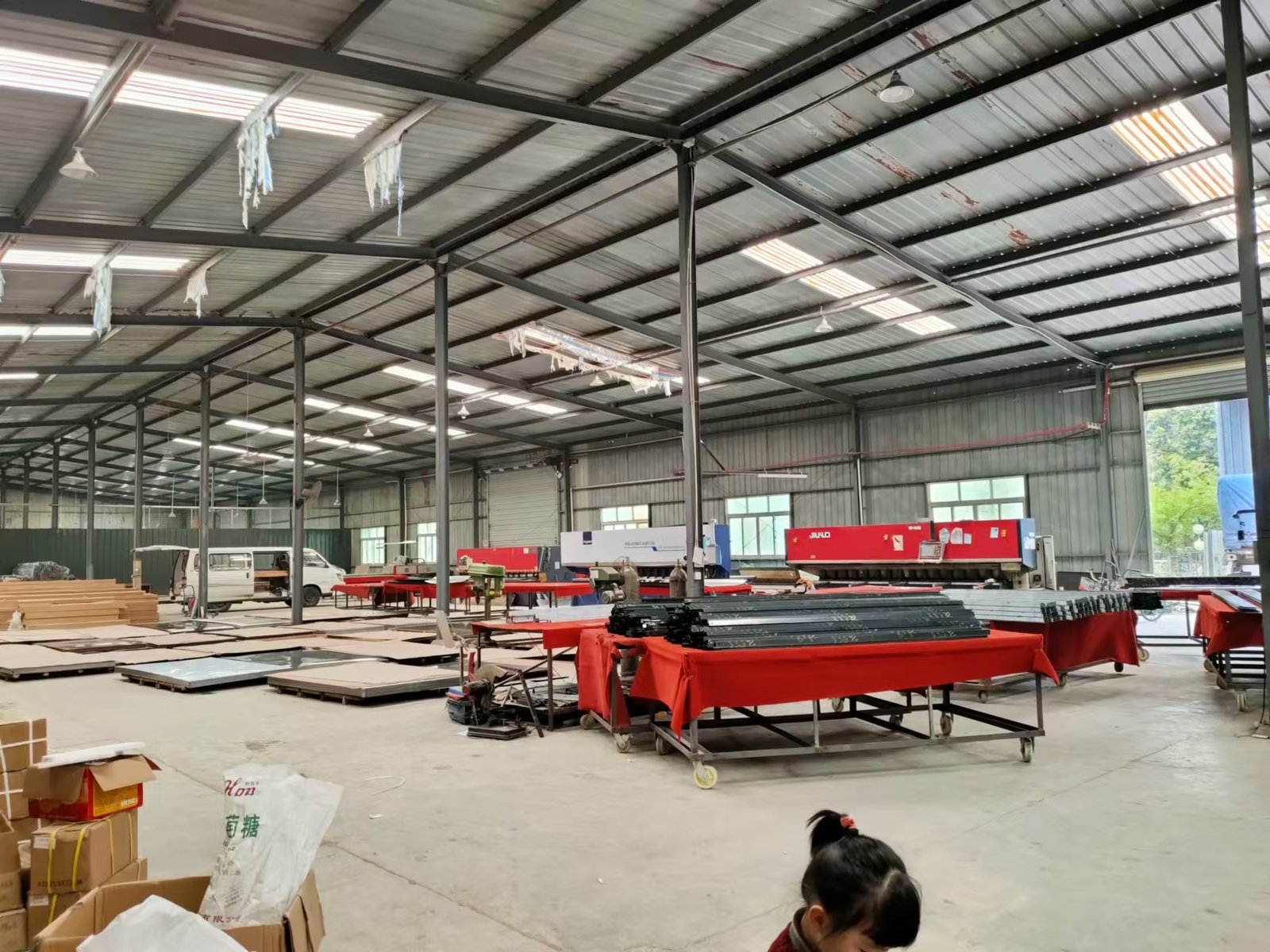
Formed geometry with defined mating faces
Use this review for parts where bend relationships determine fit or access.
- Channels, trays and folded brackets
- Covers with return flanges
- Formed enclosure panels and mounting components
Bend radius and angle
Nominal angles alone do not define the finished fit.
- Show inside radii and angle conventions
- Dimension critical flange relationships
- State material grade, temper and thickness
Bend direction and tooling access
Adjacent walls and return flanges can restrict how a part is formed.
- Identify bend directions clearly
- Review short flanges and closed shapes
- Flag surfaces needing protection from tool contact
Flat patterns and reliefs
The blank must reflect the agreed forming method.
- Identify who approves the flat pattern
- Review holes and slots close to bend lines
- Check corner reliefs and adjoining flanges
Forming sequence review
Earlier bends can affect access to later bends.
- Review intersecting and opposing bends
- Consider downstream joining and assembly access
- Agree inspection references for the final formed part
Match the bend to the material
Grade, temper, thickness and rolling direction inform the forming review.
- Stainless sheet with surface appearance defined
- Aluminum sheet with alloy and temper specified
- Carbon or galvanized sheet with coating condition reviewed
Review the formed part first
- Define the finished geometry
- Provide a formed-part drawing or model with angles, radii and datum faces.
- Review access and development
- Check tool clearance, reliefs and the proposed flat-pattern basis.
- Agree sequence and inspection
- Identify critical relationships and the surfaces or features used to inspect them.
Make forming intent explicit
- Supply the formed drawing even when a flat file is available.
- Mark datum faces and functional dimensions.
- Identify acceptable appearance on tool-contact surfaces.
Specific tolerances, material thickness ranges and manufacturing feasibility are confirmed during quotation based on the customer drawing, material and process requirements.
Buyer Enquiry Markets
We welcome drawing-based buyer enquiries from these markets:
- Australia
- United Kingdom
- Canada
- United States
- United Arab Emirates
- Saudi Arabia
- Germany
Project feasibility and any destination-specific requirements are reviewed and confirmed during quotation.
Related Manufacturing Services
Frequently Asked Questions
Is a flat pattern enough to quote bending?
Include the formed-part drawing or model as well. The review needs bend direction, angle, radius and final relationships to assess the supplied blank.
Can I specify a bend radius?
State the required radius and its function. Suitability is reviewed against the material, thickness, available tooling and part geometry during quotation.
Why do return flanges need special review?
They can restrict tooling access or obstruct later bends. A formed model helps review sequence and any design clarification before fabrication.